






You won’t believe that there are some of the laws still around the world that make you go, “Wait, that’s actually illegal?” These weird laws come from old customs, funny traditions. Looking at these strange rules doesn’t just make you laugh, it also shows how different places grew and what they really care about. Exploring the weird laws around the world. Here are 10 of the craziest laws that are still on the books today.
1. No Chewing Gum in Singapore: A Sticky Crime

In Singapore, there is a ban on the sale and import of chewing gum, which has been strictly enforced since the early 1990s. The city aims to maintain cleanliness and public order, which led to this unusual rule. For visitors, it’s sometimes hard to believe that something as simple as gum could land you in a big problem, but in this case, it’s not just a story. Also the check this Strange Laws Wikipedia
2. Thailand: Stepping on Currency is a Crime

In Thailand, currency is not just money; it represents a symbol of respect. Because the king’s image appears on the Thai bills and coins, stepping on the currency, even accidentally, you step on money, which can be considered a crime. Travelers should be extra careful while traveling in Thailand and when handling money, or avoid placing it on the ground.
3. Switzerland: Flushing the Toilet After 10 pm

In Switzerland, you may have heard that it is illegal to flush the toilet after 10 p.m. The truth? It’s mostly a story. After 10 pm, everyone is relaxing and considers that quiet hours, and these things are taken seriously because everyone is resting during these hours. In Swiss apartment buildings, this is taken seriously, and making noise is considered bad.are indeed taken seriously in many Swiss apartment buildings.
4. Canada: Paying with too many Coins? Against the law

In Canada, there are limits when paying large amounts of bills in coins. The law allows individuals to legally tender coins, but if you attempt to pay someone with too many small-denomination coins, it may not be accepted by law. The idea is to prevent abuse of the payment system, for example, by offloading hundreds of one-cent coins. So, if you arrive at a store, your puggy bank full of pennies for a 50$ purchase, don’t expect to walk out smoothly.
5. Italy: No Sandcastles in Eraclea

If you enjoy building a sandcastle on the beach, then Eraclea, Italy, may not be the place for you. At the seaside town of Ercale in Italy, there is a law prohibiting sandcastles on the beach. Local officials argue that sand sculptures disrupt natural cleanliness and may become a nuisance for beach maintenance crews. While tourists may find it strange, it’s a genuine example of how locals keep their beach safe, making this law one of the most memorable among the weird laws around the world.
6. Denmark: Baby’s Names are allowed, which is approved from Govt
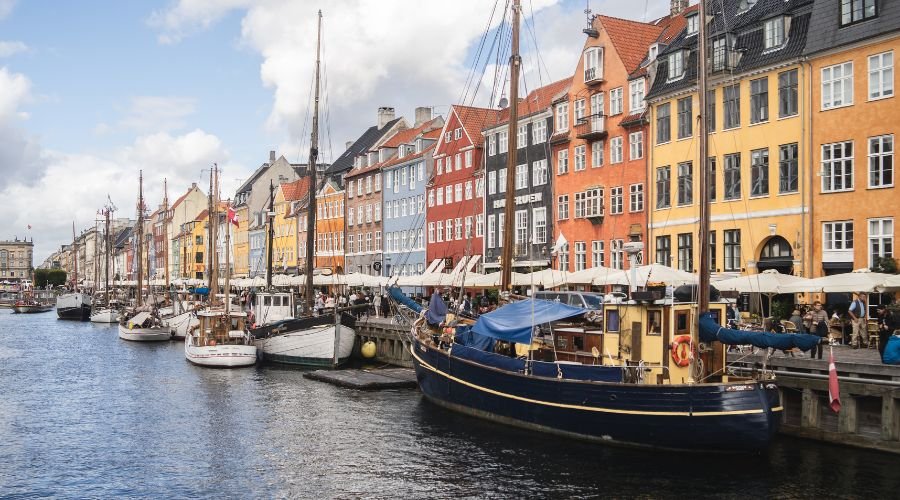
Check the name of your baby before the approval of the government because in Denmark the only names are allowed which are approved by the government are allowed.
7. Japan: No Dancing After Midnight

Japan once had a law that no dancing was allowed in clubs after midnight, but only under one condition: if the venue had a license. This was intended to reduce illegal activities, but it has also made nightlife less enjoyable. Fortunately, this rule was relaxed in 2016.
Don’t Handle Salmon “Under Suspicious Circumstances” in England
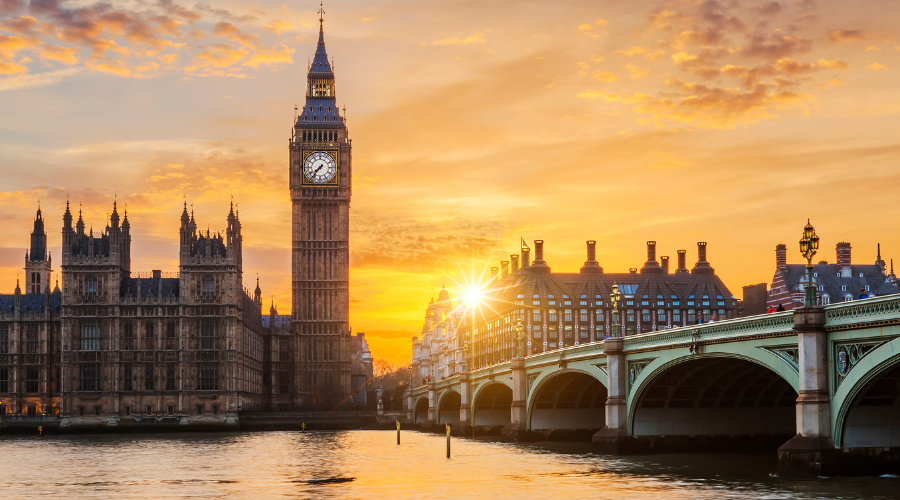
Under the Salmon Act 1986 in England and Wales, it is illegal to handle a salmon in suspicious circumstances. While the wording is vague, the intention was to curb poaching and illegal trade. The result is one of the most famously odd laws still written in books and real example of weird laws around the world that spark curiosity.
Final Thoughts
Exploring these weird laws around the world reminds us that legal systems are living artifacts that reflect history, culture, and evolving norms. While many such laws are outdated or rarely enforced, they remain written records of society’s values and concerns at specific moments in time. For travelers, understanding these laws is more than trivia; it can prevent accidental blunders abroad. For residents, recognizing their existence highlights how laws evolve and why reforms matter.
So next time you discover an odd law in your city or abroad, remember: somewhere in the world, a regulation just as strange is still waiting to be followed. For more articles like this, check WhichHub.com